Finding a supplier in China is often the easy part. The harder questions come later: Does the quotation match your specifications? Who follows up if production slips? How will you know what was packed? And who coordinates delivery when you buy from three different factories?
These are the problems a China sourcing agent is supposed to help solve. But agents offer different services and charge in different ways. Choosing one based on a low commission alone can leave critical work uncovered.
This guide answers five practical questions and gives you a checklist to use before appointing a sourcing partner.
1. What Is a China Sourcing Agent?
A China sourcing agent is a person or company that supports purchasing activities for an overseas buyer. The work can be narrow—such as comparing factories or arranging an inspection—or broad enough to cover sourcing, production follow-up, and shipment handover.
Think of the agent as a China-side procurement coordinator, not automatically as the manufacturer or the seller. The same company may act as an agent on one order and sell goods directly on another. What matters is the commercial arrangement documented in your quotation and contract.
Sourcing agent vs. trading company vs. buying direct
Direct from factory
- What it means
- You purchase from the manufacturer or its selling entity
- Best fit
- Established product, clear specifications, capable in-house purchasing team
- What you still need to manage
- Supplier follow-up, independent checks, freight and import arrangements
Trading company
- What it means
- A seller sources goods and resells them to you
- Best fit
- Buyers who want one seller for several products
- What you still need to manage
- Visibility into manufacturers, specifications and responsibility for defects
Sourcing agent
- What it means
- A provider performs agreed purchasing or coordination services
- Best fit
- Buyers who need China-side supplier search, verification or execution support
- What you still need to manage
- Approvals, contractual responsibilities and clear service scope
Swipe horizontally to compare columns →
| Buying route | What it means | Best fit | What you still need to manage |
|---|---|---|---|
| Direct from factory | You purchase from the manufacturer or its selling entity | Established product, clear specifications, capable in-house purchasing team | Supplier follow-up, independent checks, freight and import arrangements |
| Trading company | A seller sources goods and resells them to you | Buyers who want one seller for several products | Visibility into manufacturers, specifications and responsibility for defects |
| Sourcing agent | A provider performs agreed purchasing or coordination services | Buyers who need China-side supplier search, verification or execution support | Approvals, contractual responsibilities and clear service scope |
Neither a factory nor a sourcing agent is automatically the better option. A good factory may be the most efficient choice for a repeat product. An agent becomes more valuable when coordination, supplier comparison, customization, or independent oversight demands more time than your team can give.
2. What Does a China Sourcing Agent Actually Do?
“Full-service sourcing” sounds convenient, but it does not tell you which tasks are included. Ask what happens before payment, during production, and before shipment—and what you will be able to review.
Swipe horizontally to compare columns →
| Procurement stage | What an agent can coordinate | What the buyer should confirm |
|---|---|---|
| Product brief | Clarify material, dimensions, finish, intended use, quantities, target market | A written specification and required documentation |
| Supplier selection | Identify supplier options; compare capabilities, MOQs, quotations and lead times | Which suppliers were assessed and why one was recommended |
| Samples and customization | Request samples, organize revisions, confirm packaging and artwork | Approved sample, final artwork and any tolerance limits |
| Purchase order | Align product, quantity, pricing, milestones and payment arrangements | A complete PO and an agreed approval process |
| Production follow-up | Track timelines, supplier updates and exceptions | Progress updates and prompt notice of material changes |
| Quality checks | Coordinate checks against agreed requirements | Inspection scope, findings, images and what happens if goods fail |
| Cargo consolidation | Arrange receiving, counting, repacking and combining compatible supplier deliveries | Carton records, packing list and readiness for dispatch |
| Shipping handover | Work with the buyer's forwarder or arrange an agreed shipping service | Delivery term, named handover point and responsible party |
What an agent should not promise automatically
The overlooked service: managing suppliers you already have
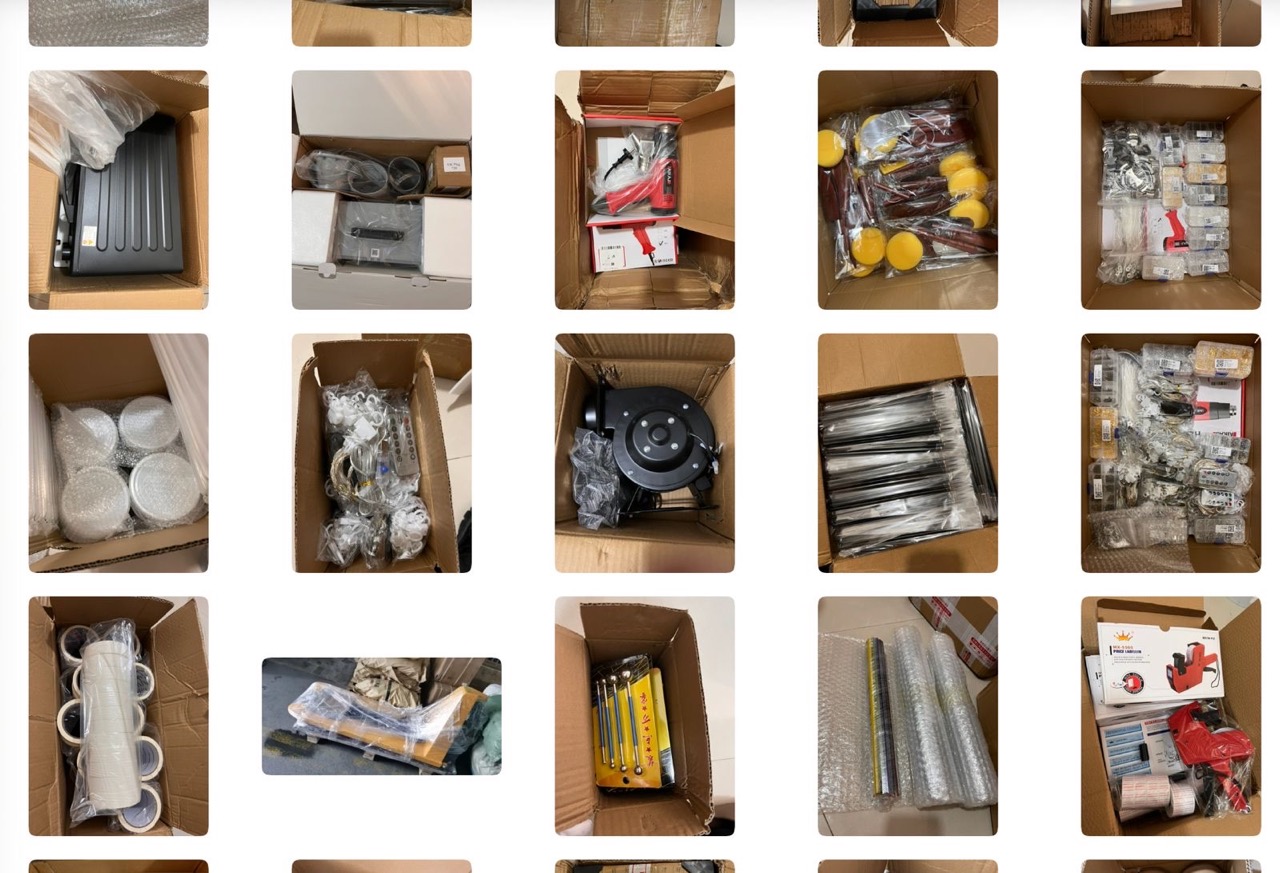
Many importers do not need help finding a factory. They need someone in China to follow up on existing purchase orders, confirm packaging information, check goods against agreed requirements, and bring deliveries together before export.
For example, buying drinkware, promotional gifts and display materials from three suppliers can involve three completion dates, separate carton dimensions and different packing lists. A local coordinator can align the receiving schedule and flag missing or nonconforming goods before the shipment is handed over.
This is supplier management, and it can be valuable without replacing your existing factories. See our step-by-step guide to consolidating orders from multiple Chinese suppliers.
3. Do You Really Need a China Sourcing Agent?
A sourcing agent is worth considering when it solves a specific operational problem—not merely because you are importing from China.
Swipe horizontally to compare columns →
| Your purchasing situation | Sensible approach |
|---|---|
| First order and uncertain supplier capabilities | Consider supplier screening, comparable quotations, sample approval and scoped inspection |
| New custom or private-label product | Use a coordinator experienced in specifications, samples, revisions and tooling responsibilities |
| Established supplier, repeat order, reliable in-house team | Direct buying may be more efficient; use independent checks when needed |
| Several existing suppliers, limited China-side oversight | Consider supplier-management and consolidation services |
| Regulated or technically complex goods | Combine sourcing coordination with suitable technical and compliance specialists |
When is an agent not worth the fee? If you are ordering one straightforward, low-risk product from a proven supplier, can supervise the order yourself, and already have inspection and freight covered, another intermediary may add cost without enough benefit.
Ask any potential agent: Which three tasks will you take off our team's hands, and what will we receive to confirm they were completed? A useful answer will be specific to your product and order.
4. How Much Does a China Sourcing Agent Cost?
There is no official, universal sourcing-agent rate. Provider-published guides from WRS Global Sourcing and CN Ally advertise commission ranges of roughly 3–10% of product order value, but these are market quotations, not an independently verified industry average. Product complexity, order size, local visits, inspection requirements and service scope can make two proposals with the same percentage very different.
Four common pricing models
Swipe horizontally to compare columns →
| Model | How you pay | Important question |
|---|---|---|
| Commission | An agreed percentage of a defined purchasing value | What is the calculation base, and is there a minimum fee? |
| Fixed project fee | One amount for a clearly defined project | How many suppliers, sample rounds or revisions are included? |
| Separate service charges | Individual fees for sourcing, visits, inspection, warehousing or handling | Which third-party or travel charges are extra? |
| Product-selling quotation | The seller's commercial margin is reflected in the product price | Does the quotation already include sourcing work, and is any additional commission charged? |
A fee only makes sense alongside its deliverables. An agent quoting 3% while charging separately for all order follow-up, inspections and handling may cost more than a broader service quoted at 5%.
Example: a 5% fee on a $20,000 product order
The following is a calculation example, not a market quote:
Swipe horizontally to compare columns →
| Cost item | Amount |
|---|---|
| Supplier product purchase value | $20,000 |
| Agreed management commission at 5% | $1,000 |
| Product plus management fee | $21,000 |
| Sampling, extra inspection, handling, freight, duties and taxes | Check separately |
Also confirm the delivery term. For example, FCA, FOB and DDP allocate different transport and customs responsibilities. The International Chamber of Commerce's Incoterms® guidance explains why the rule, named location and contractual details matter.
How KSH Sourcing charges
At KSH, we match the commercial model to the job rather than adding the same type of fee to every purchase:
- KSH Pro — Product Sourcing: When you need us to identify and coordinate products and suppliers, KSH provides a commercial product quotation. Our margin is included in that selling price; we do not add a separate standard sourcing-agent commission to the same product scope.
- KSH Basic — Supplier Management: When you already have suppliers, KSH offers agreed purchasing-management support. The currently published fee is 5% of qualifying supplier product purchase value, subject to a US$100 minimum per agreed purchasing-management batch. The fee base excludes separately listed domestic and international freight, taxes, third-party testing, special packaging and other separately agreed services. Complex site inspection, extended storage, special logistics and other additional work are scoped and quoted separately.
For projects combining the two approaches, the relevant products or work scopes are itemized. The same SKU or purchase-order product scope is not charged under both models. See our current services, pricing details and procurement workflow for the applicable terms.
5. How Do You Choose a Reliable China Sourcing Agent?
The best test is not how many factories an agent claims to know. It is whether the agent can explain how your order will be controlled when something changes.
Eight questions to ask before hiring
Swipe horizontally to compare columns →
| Ask the agent | What a useful response should contain |
|---|---|
| 1. Who are we contracting with? | Registered company identity, matching contract and verified payment details |
| 2. Who will supply our products? | Supplier-selection method and the agreed level of factory transparency |
| 3. What exactly is included in your price? | Fee base or selling price, deliverables, exclusions and additional charges |
| 4. How will you control specifications? | Written requirements, sample approval and a revision process |
| 5. What quality checks will take place? | Inspection timing, sampling approach, acceptance criteria and reporting |
| 6. What happens if a supplier is late or goods fail checks? | Escalation path, approval rights, corrective action and reinspection terms |
| 7. Who coordinates shipment and documents? | Carton records, packing-list responsibility and the forwarder handover point |
| 8. Who controls our artwork, tooling and supplier records? | Clear contractual treatment of files, molds, contacts and project records |
Warning signs worth investigating
- Payment instructions suddenly change to an unrelated account without satisfactory verification.
- A provider will not specify who manufactures the goods or what its role is in the transaction.
- “Guaranteed quality” is promised without measurable inspection or acceptance criteria.
- Certificates are offered without a connection to the actual manufacturer, product and intended market.
- Very low fees are advertised, but inspection, order coordination and logistics charges remain undefined.
- You cannot get a clear answer about who decides whether a nonconforming batch can ship.
Not every unclear answer means misconduct. But you should resolve these points in writing before transferring significant funds.
Start with a controlled pilot, not a leap of faith
A first project should have a defined product brief, agreed milestones, clear cost breakdown, inspection scope and named approval points. Evaluate whether the agent reports problems promptly and documents what was done. That tells you more about a working relationship than a polished supplier list alone.
What Real Multi-Supplier Coordination Looks Like
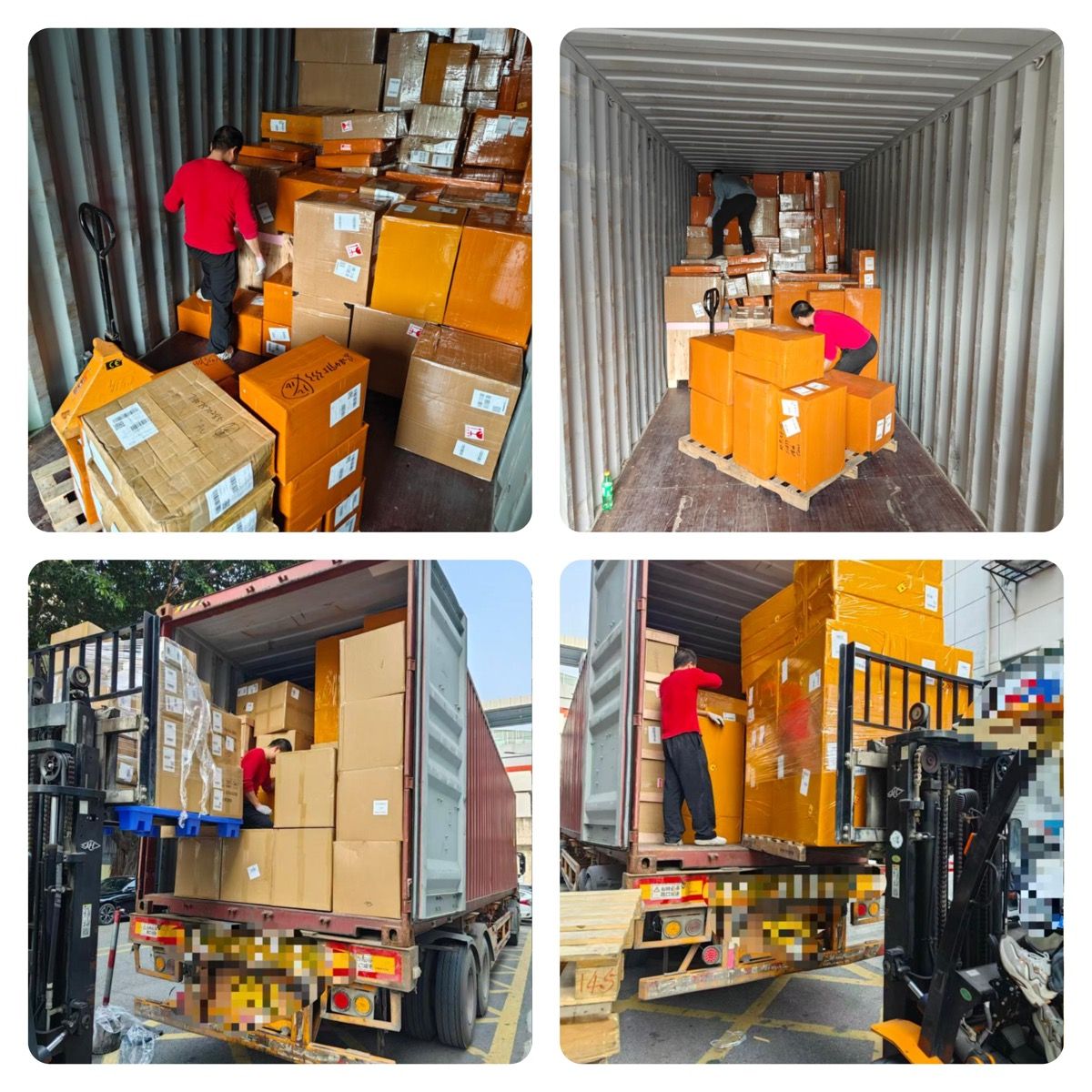
In a documented KSH procurement project for a Maldives-based buyer, the work spanned several product categories. KSH compared sourcing options, coordinated orders and supplier deliveries, carried out agreed checks with photo updates, and consolidated cargo for handover to the buyer's nominated freight forwarder.
The point of the example is not a claimed percentage saving. It is the operational work between placing several orders and having one shipment ready for handover. Buyers working across categories need a clear view of what arrived, what was checked, and what remains unresolved.
A Short Brief You Can Send Any Sourcing Agent
Before requesting a price, prepare:
- Product: name, reference photos/drawings, material, dimensions and required finish.
- Quantity: estimated order volume, number of SKUs and expected repeat frequency.
- Customization: logo, artwork, packaging, labeling, molds or samples.
- Market: destination country, intended use and known documentation or testing needs.
- Existing suppliers: contacts or quotation details if you already have them.
- Timeline: sample deadline, production target and latest acceptable handover date.
- Logistics: delivery city/port, nominated forwarder if any, and requested delivery term.
- Support required: supplier search, negotiation, purchase follow-up, inspection, consolidation, shipping coordination—or only selected services.
A clear request gives agents the chance to quote for the same work, making comparisons more meaningful.
Frequently Asked Questions
Is a China sourcing agent the same as a buying agent?
Often, yes. The terms overlap. Focus on the actual service scope, payment model and contractual responsibility rather than the title.
Is it cheaper to buy directly from a Chinese factory?
It can be, particularly for established repeat orders. But compare the total cost of managing samples, supplier follow-up, quality checks, delays and freight—not just the quoted unit price.
Can I use a sourcing agent if I already found a factory on Alibaba?
Yes. Supplier discovery is only one stage. You can appoint an agent for existing-supplier management, production follow-up, agreed inspections, or consolidation without paying for an unnecessary new search.
Does a sourcing agent guarantee quality or regulatory compliance?
No responsible process eliminates every risk. Agree on appropriate quality checks and verify the product-specific documentation and testing your destination market requires. A local coordinator can help gather and organize evidence, but cannot replace independent technical verification where needed.
Does a sourcing-agent fee include shipping from China?
Not automatically. Some agents coordinate your own forwarder; others quote freight or eligible DDP arrangements separately. Confirm shipping costs, delivery location, customs responsibilities and exclusions in writing.
What is the most important question to ask before signing?
What will you do after I approve the supplier? The answer should cover production updates, quality issues, packing records, delivery coordination and who has authority to approve changes. That is when much of the real sourcing work begins.
Final Takeaway: Choose the Service, Not Just the Percentage
A good sourcing agent does more than send you factory contacts. The value is clearer purchasing decisions and disciplined execution: the right specifications, the right supplier responsibilities, visible checks, and a coordinated handover.
If you need new supplier options, explore KSH Pro product sourcing. If you already have Chinese factories and want help managing orders, inspections and combined shipments, see KSH Basic supplier management.
Ready to discuss a sourcing project? Tell KSH what you are buying, from whom, and where it needs to go. We can help you identify the most appropriate next step.